Time: Popularity:0times
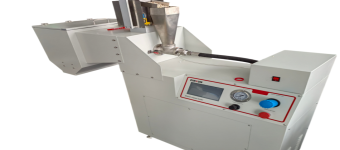
A rubber impact resilience tester is used to evaluate the elastic recovery performance of rubber and elastomeric materials under dynamic impact conditions. It measures the ability of a material to return energy after deformation, typically expressed as a percentage of rebound.
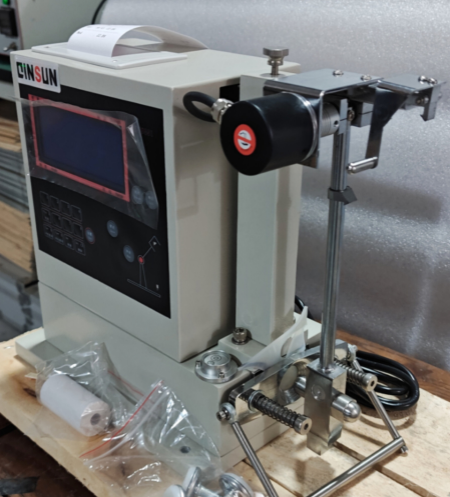
This property is essential for understanding how rubber behaves in real applications involving repeated impacts or dynamic loads. The tester is widely used in:
Quality control of rubber products such as tires, seals, and vibration isolators
Material comparison and formulation optimization
Research and development of elastomeric materials
Evaluation of aging or environmental effects on elasticity
By measuring resilience, manufacturers can assess whether a material meets performance requirements for durability, flexibility, and energy absorption.
Rubber impact resilience testing is standardized to ensure consistency and comparability of results across laboratories. Commonly adopted international standards include:
ISO 4662 — Rubber, determination of rebound resilience
ASTM D2632 — Standard test method for rubber property—resilience by vertical rebound
DIN 53512 — Testing of rubber; determination of rebound resilience
These standards define key parameters such as test specimen dimensions, impact energy, measurement method, and calculation procedures. Compliance with these standards is essential for generating valid and internationally accepted test data.
The reliability of test results depends on both instrument design and operational control. Key factors include:
Stable mechanical structure: The pendulum system must maintain consistent impact energy and minimal friction loss.
High-resolution measurement system: Angle measurement or rebound height detection should be precise and clearly readable, preferably with digital output.
Consistent specimen preparation: Sample thickness, surface condition, and temperature must comply with standard requirements.
Controlled test environment: Ambient temperature and humidity can influence rubber elasticity and should be maintained within specified ranges.
Regular verification: Periodic checks using reference materials or calibration devices help ensure measurement consistency over time.
Repeatability is typically evaluated by conducting multiple tests under identical conditions and comparing result deviations.
Rubber impact resilience testers are suitable for a wide range of elastomeric materials, including:
Vulcanized rubber (natural rubber, synthetic rubber)
Thermoplastic elastomers (TPE, TPU, etc.)
Rubber composites and filled rubber materials
The tester is generally applicable to materials with moderate elasticity. Extremely soft or highly rigid materials may require special consideration depending on the standard used.
Proper maintenance is essential to ensure long-term stability and accuracy of the equipment. Recommended practices include:
Regular cleaning: Keep the impact area, pendulum, and support structure free from dust and debris.
Mechanical inspection: Check the pivot, bearings, and release mechanism to ensure smooth and friction-free operation.
Calibration: Verify pendulum energy and angle measurement periodically using standard calibration tools or reference specimens.
Component replacement: Replace worn parts such as pointers, bearings, or release components as needed.
Storage conditions: Keep the instrument in a stable environment to avoid corrosion or mechanical deformation.
Routine maintenance reduces measurement drift and extends service life.
When selecting a suitable tester, the following factors should be considered:
Compliance with standards: Ensure the instrument meets required testing standards (ISO, ASTM, DIN) relevant to your application.
Measurement method: Choose between analog and digital systems based on accuracy requirements and data recording needs.
Ease of operation: User-friendly design reduces training time and minimizes operator-related errors.
Build quality: A robust mechanical structure ensures consistent performance and durability.
Calibration and support: Availability of calibration tools, documentation, and technical support is important for long-term use.
Application scope: Confirm compatibility with the types of materials and hardness ranges you intend to test.
A well-selected instrument not only improves testing efficiency but also ensures reliable data for quality control and product development.
The rubber impact resilience tester is a fundamental instrument for evaluating the dynamic elastic properties of rubber materials. By adhering to standardized testing methods, ensuring proper operation, and maintaining the equipment correctly, users can obtain accurate and repeatable results. Careful selection of the instrument based on application requirements further enhances its value in laboratory and industrial environments.
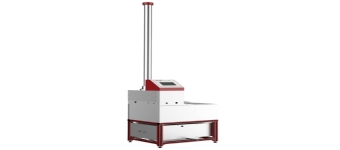
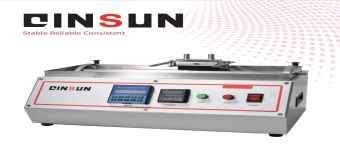
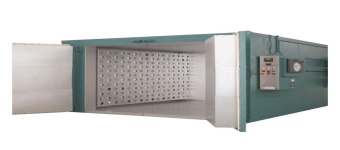
For laboratories and manufacturers seeking reliable testing solutions, QINSUN is a professional manufacturer of material testing instruments with extensive experience in rubber and polymer testing equipment. We provide stable, standards-compliant instruments as well as customized solutions tailored to specific application requirements.


Company Phone
+86-21-6420 0566
Working hours
Monday to Friday
Mobile phone:
13816217984
Email:
info@qinsun-lab.com