Time: Popularity:0times
A JIS Colour Fastness Tester is a laboratory instrument designed to evaluate the resistance of dyed or printed materials to color fading or transfer under specific conditions defined by Japanese Industrial Standards (JIS). It is mainly used to determine how well a material retains its color when exposed to factors such as rubbing, washing, perspiration, water, and light.
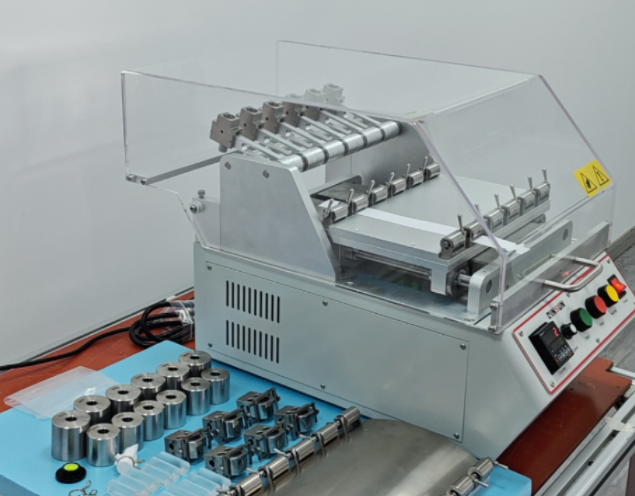
The test results help assess the durability and quality of textiles, ensuring compliance with Japanese market requirements.
JIS colour fastness testing is widely used in:
Textile manufacturing (fabrics, garments, yarns)
Footwear and leather products
Automotive interior materials (seat fabrics, trims)
Home textiles (curtains, upholstery, carpets)
Quality inspection agencies and third-party laboratories
It is particularly important for products exported to Japan or required to meet JIS specifications.
JIS colour fastness testers are designed to comply with various JIS standards, including:
JIS L 0849 — Colour fastness to rubbing (crocking)
JIS L 0844 — Colour fastness to washing
JIS L 0848 — Colour fastness to perspiration
JIS L 0846 — Colour fastness to water
JIS L 0842 — Colour fastness to light
These standards specify test conditions, evaluation methods, and grading systems to ensure consistency and comparability.
To obtain reliable test results, the following factors are critical:
Standard-compliant operation: Strict adherence to JIS test procedures
Controlled test parameters: Accurate control of load, speed, temperature, and time
High-quality accessories: Use of standard rubbing cloths, grey scales, and test solutions
Consistent sample preparation: Uniform sample size and conditioning
Regular calibration: Verification of mechanical force, speed, and environmental conditions
Repeatability is ensured by minimizing operator influence and maintaining stable test conditions.
The tester is suitable for evaluating:
Dyed and printed textiles
Knitted and woven fabrics
Leather and synthetic leather
Nonwoven materials
Coated or laminated fabrics
It can be used for both natural and synthetic fibers, including cotton, polyester, nylon, and blends.
Proper maintenance ensures long-term performance:
Clean the testing area and moving parts regularly
Inspect friction heads, clamps, and weights for wear
Calibrate load force and movement speed periodically
Replace consumables such as rubbing cloths and pads
Store the instrument in a stable, dust-free environment
Routine maintenance reduces variability and extends equipment lifespan.
When selecting a suitable tester, consider:
Standard compatibility: Ensure full compliance with relevant JIS standards
Multi-function capability: Whether one machine can perform multiple fastness tests
Control system: Digital control improves precision and usability
Build quality: Stable structure ensures consistent testing force and motion
Accessories availability: Complete set of standard consumables
Technical support: Availability of calibration and after-sales service
Selecting the right equipment improves testing efficiency and ensures compliance with market requirements.
The JIS Colour Fastness Tester plays a critical role in evaluating the durability of color in textiles and related materials. By following standardized methods, maintaining proper test conditions, and selecting suitable equipment, laboratories can obtain accurate and reproducible results.
For reliable and standards-compliant testing solutions, QINSUN is a professional manufacturer of textile and material testing instruments. We provide high-quality equipment and customized solutions to meet diverse testing requirements.

Company Phone
+86-21-6420 0566
Working hours
Monday to Friday
Mobile phone:
13816217984
Email:
info@qinsun-lab.com