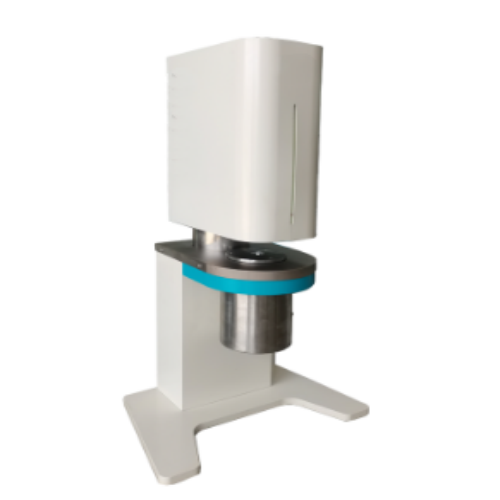
A capillary rheometer is an apparatus designed to measure shear viscosity and other rheological
WhatsApp : +86 15601902607
Email : info@qinsun-lab.com

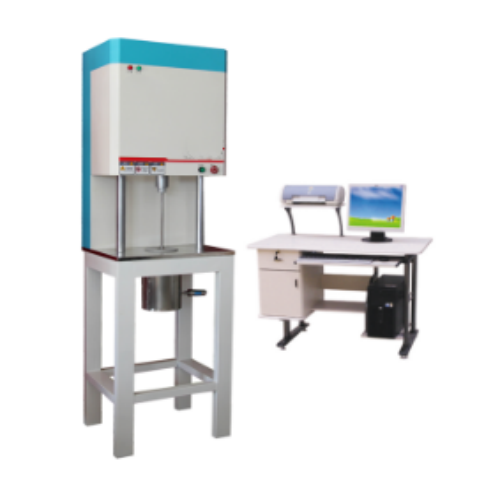
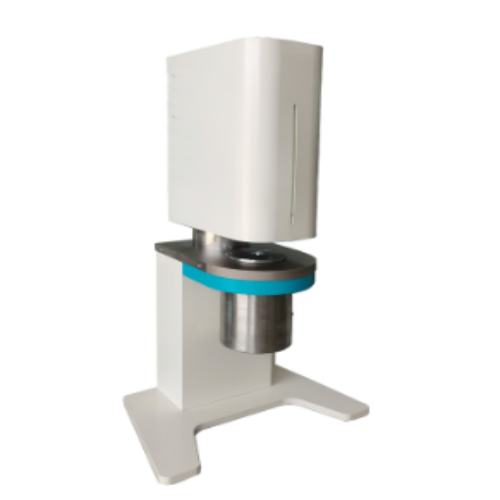
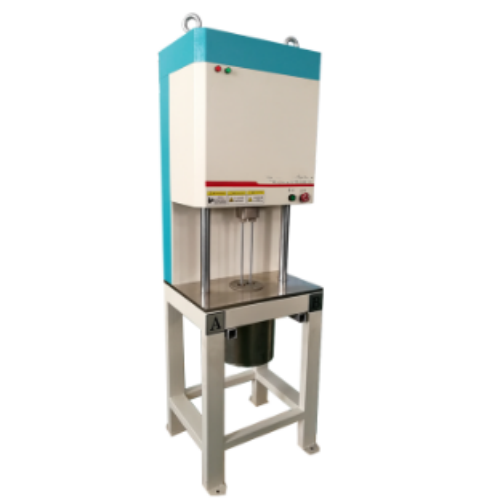
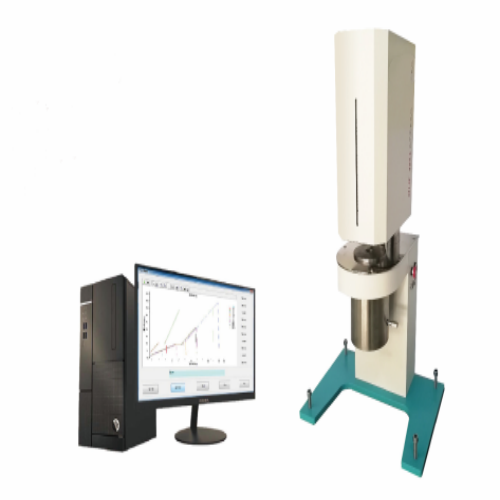
The Capillary Rheometer is a computer-controlled laboratory instrument used for determining the rheological properties of molten plastics and polymer materials under controlled temperature, pressure, and shear conditions. The instrument measures shear rate, melt flow behavior, and apparent viscosity by forcing molten material through precision capillary dies. It adopts a single-column, single-indenter structure with integrated heating and servo-driven loading, ensuring stable operation, accurate measurement, and compliance with international testing standards.
(1) Measurement of shear rate and apparent viscosity of thermoplastic materials under specified temperature and shear stress conditions.
(2) Determination of melt flow characteristics of thermosetting polymer materials during controlled extrusion.
(3) Rheological evaluation under constant pressure, constant speed, constant temperature, and variable heating rate conditions.
(4) Comparative analysis of processing performance for extrusion and injection molding applications.
(5) Research and development of polymer formulations, modifiers, and additives.
(6) Quality control and batch consistency verification in polymer manufacturing.
(7) Rheological testing for industrial laboratories, academic research, and material certification institutions.
(1) DIN 54811 — Plastics — Determination of Flow Behavior Using Capillary Rheometers
(2) ASTM D3835 — Standard Test Method for Determination of Rheological Properties of Thermoplastics Using a Capillary Rheometer
(3) ISO 11443 — Plastics — Determination of the Fluidity of Plastics Using Capillary and Slit-Die Rheometers
System Composition
(1) Single-column swing-head frame structure ensuring mechanical strength and convenient cleaning.
(2) Precision transmission system using Taiwan-brand ball screw for accurate force and displacement transfer.
(3) AC servo drive system providing precise speed and pressure control.
(4) Integrated barrel heating unit using spiral heating wire to ensure uniform temperature distribution.
(5) High-precision pressure and displacement sensing system.
(6) Computer-based measurement and control system with real-time data acquisition and analysis software.
(7) User interface enabling test mode selection, parameter configuration, curve display, data storage, and printing.
| Item | Specification |
|---|---|
| Temperature range | Room temperature to 400 ℃ |
| Heating rate | 1–10 ℃/min, continuously adjustable |
| Temperature resolution | 0.1 ℃ |
| Pressure range | 1–50 MPa |
| Pressure accuracy | ±0.5 % FS |
| Pressure resolution | 0.1 MPa |
| Maximum driving force | 10 kN |
| Speed range | 0.01–500 mm/min |
| Deformation measurement accuracy | ±0.5 % FS |
| Standard plug head diameter | Φ12 mm |
| Plug head area | 113.04 mm² |
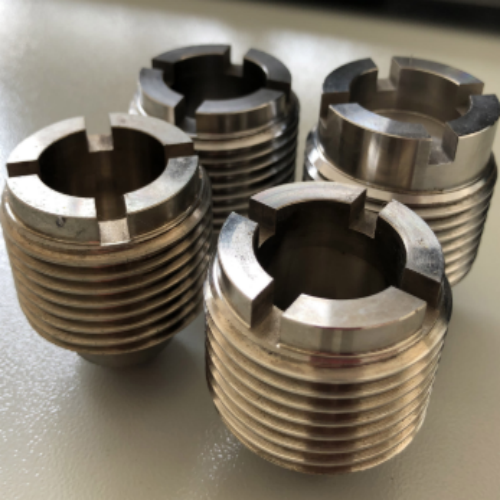
| Capillary die specifications | Ø1 × 5 mm, Ø1 × 10 mm, Ø1 × 20 mm, Ø1 × 40 mm |
| Capillary die material | Tungsten carbide |
| Power supply | AC 220 V, 50 Hz |
| Rated power | < 1000 W |
(1) Low-temperature or high-temperature extended versions.
(2) Customized pressure ranges according to test requirements.
(3) Customized plug head diameters and geometries.
(4) Additional or special capillary die dimensions and L/D ratios.
(5) Enhanced data processing and reporting software modules.
(1) Select and install the appropriate capillary die and plug head.
(2) Set the target temperature and heating rate through the control software.
(3) Load the polymer sample into the barrel and allow it to reach thermal equilibrium.
(4) Configure the test mode and operating parameters.
(5) Start the test and monitor pressure, displacement, and temperature in real time.
(6) Allow the software to automatically record data and generate rheological curves.
(7) Save, export, or print test results after completion.
(1) Clean the barrel, plug head, and capillary dies immediately after testing.
(2) Regularly inspect heating elements and temperature sensors for accuracy.
(3) Periodically calibrate pressure and displacement sensors.
(4) Maintain lubrication of mechanical transmission components.
(5) Keep the control software updated and back up test data regularly.
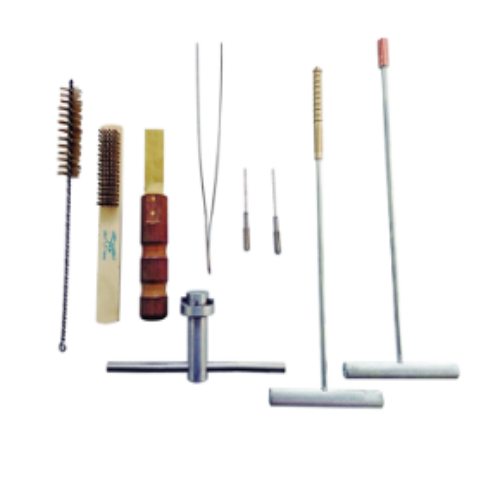
(6) Store precision dies and accessories in a clean, dry environment.
Qinsun Instruments Co., LTD is a professional laboratory testing instrument manufacturer in China,Have been focusing on laboratory instrument R&D more than 30 years and have rich industry experience,Based on international testing standards,We are also the instrument supplier for BV SGS laboratory,We provide one-stop solutions for lab instruments,Free Training and Turn-Key Service,Products exported all over the world,Offer 36 month warranty and are a trustworthy partner.

Company Phone
+86-21-6420 0566
Working hours
Monday to Friday
Mobile phone:
13816217984
Email:
info@qinsun-lab.com