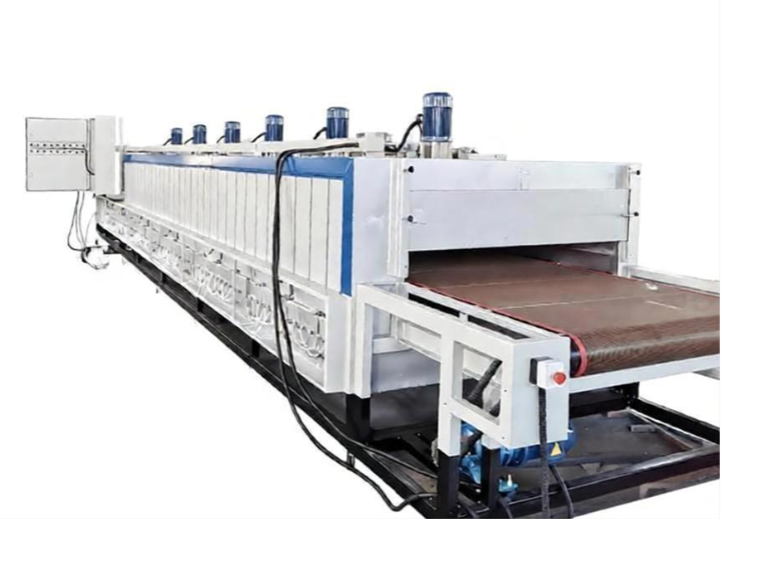
The Lithium Battery Electrolyte Drying Furnace (also commonly referred to as a vacuum drying furnace
WhatsApp : +86 15601902607
Email : info@qinsun-lab.com

The Lithium Battery Electrolyte Drying Furnace (also commonly referred to as a vacuum drying furnace for battery cells before electrolyte filling or a drying system for electrolyte containers and battery materials) is a key high-precision drying equipment used in lithium-ion battery manufacturing processes.By utilizing precise temperature control and a high vacuum environment, the equipment effectively removes trace moisture inside battery cells before electrolyte injection. This prevents side reactions between moisture and electrolyte components, directly improving battery cycle life, safety performance, and overall reliability.
1. Deep Moisture Removal
Before electrolyte filling, lithium battery cells are vacuum heated and dried to reduce internal moisture to an extremely low level, typically below 200 ppm.
2. Prevention of Side Reactions
Prevents moisture from reacting with LiPF₆ in the electrolyte to generate hydrofluoric acid (HF), avoiding battery swelling, capacity degradation, and increased internal resistance.
3. Improvement of Battery Quality Performance
Ensures complete and uniform electrolyte wetting, significantly improving:
Battery cycle life
Discharge capacity
Safety and stability performance
Product Parameters
| Parameter Item | Technical Specification |
|---|---|
| Operating Temperature | Room Temperature - 150℃ (Temperature control accuracy ±1℃) |
| Ultimate Vacuum Level | ≤10 Pa (or better than 0.1 Torr) |
| Vacuum Leakage Rate | ≤50 Pa·L/s |
| Heating Method | Contact heating plate / Radiation heating / Nitrogen circulation heating |
| Working Chamber Material | SUS316L or SUS304 high-grade stainless steel |
| Temperature Control System | PLC intelligent control with multi-point independent PID regulation |
1. High-Precision Temperature Control
The equipment adopts multi-zone independent temperature control and precision heating plates to ensure highly uniform temperature distribution throughout the chamber and prevent local overheating.
2. Excellent Vacuum Holding Performance
With superior sealing performance and ultra-low vacuum leakage rate, the furnace supports long-term high vacuum maintenance and multi-stage vacuum pumping processes.
3. High Corrosion Resistance Design
Considering possible residual volatile substances during drying, the inner chamber and pipelines are made of corrosion-resistant stainless steel materials to extend equipment service life.
4. Comprehensive Safety Protection
The system is equipped with:
Over-temperature alarm
Vacuum abnormal protection
Power failure protection
Automatic nitrogen (N₂) filling and exhaust explosion-proof system
These functions ensure safe operation during the entire drying process.
5. Intelligent Automated Operation
Supports fully automatic PLC touchscreen operation and can be integrated with MES systems for complete process data monitoring and traceability.
Q1: Why does pre-electrolyte-filling drying require such a high vacuum level?
A: Under high vacuum conditions, the boiling point of water is significantly reduced. This allows deep moisture inside the battery cell to be completely removed at safe temperatures (such as 80℃–120℃) without damaging the structure of the positive and negative electrode materials.
Q2: What heating methods are commonly used for this equipment? Which one is better?
A: The main heating methods include:
Contact heating (electric heating plates with clamping structure)
Contact heating combined with nitrogen circulation heating
Contact heating provides faster heat transfer and higher efficiency, making it the mainstream solution for automated lithium battery production lines.
Q3: How does the drying furnace ensure uniform heating of all battery cells inside?
A: Heating elements are integrated into each shelf layer. Through multi-point independent PID temperature control and high-precision temperature sensors, the system monitors and adjusts temperature in real time, maintaining furnace temperature uniformity within ±2℃.
Q4: How does the equipment prevent thermal runaway or explosion risks?
A: The equipment is equipped with an independent hardware over-temperature power-off protection system. At the end of the process or in abnormal situations, it can automatically introduce high-purity inert nitrogen (N₂) gas for cooling and vacuum release, isolating oxygen to ensure operational safety.
Q5: How soon should battery cells be electrolyte-filled after drying?
A: After drying and unloading, battery cells should be immediately transferred to a glove box or dry room with an extremely low dew point (typically ≤ -45℃ or -50℃). Electrolyte filling is usually required within several hours to prevent the cells from reabsorbing moisture.
Qinsun Instruments Co., LTD is a professional laboratory testing instrument manufacturer in China,Have been focusing on laboratory instrument R&D more than 30 years and have rich industry experience,Based on international testing standards,We are also the instrument supplier for BV SGS laboratory,We provide one-stop solutions for lab instruments,Free Training and Turn-Key Service,Products exported all over the world,Offer 36 month warranty and are a trustworthy partner.

Company Phone
+86-21-6420 0566
Working hours
Monday to Friday
Mobile phone:
13816217984
Email:
info@qinsun-lab.com