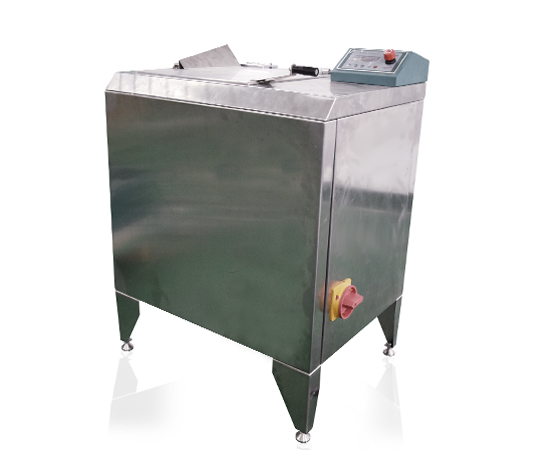
G228B washing fastness tester is used for washing, dry-clean color fastness testing.
WhatsApp : +86 15601902607
Email : info@qinsun-lab.com

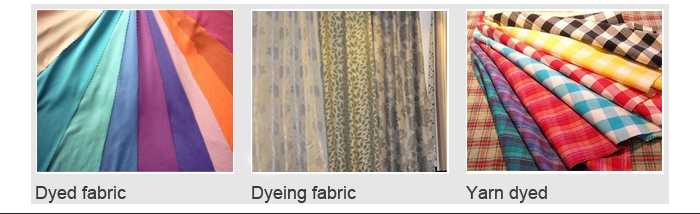
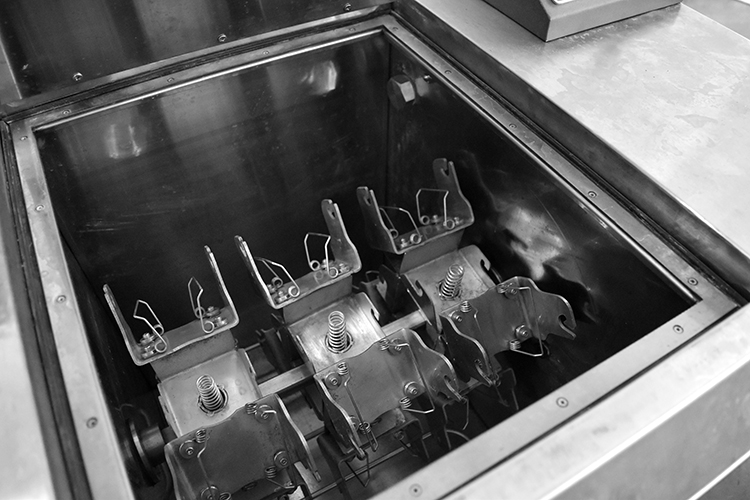
G228B washing fastness tester is used for washing, dry-clean color fastness testing. Electric touch switch, LCD menu display, without mechanical contact, safe and reliable. Specimens shelves driven stable and reliable, change washing cup is convenient. With 500ml and 1200ml two kinds of washing cups, meet different testing standards. Heating tube has no noise, long life, temperature control is accurate.
· ISO 105 C01 C02 C03 C04 C05 C06 C08 D01 color fastness for textile
· BS 1006 C01 C02 C03 C04 C05 color fastness for fabrics and leather
· NEXT TM235 M&S C4 C5 C10A P3B
· GB/T 3921 5711 Textile color fastness to washing.
·JIS L0860, JIS L0844, JIS L0879; M&S C4A, C5, C37, P3B; BS 1006 NEXT 2,3,5
·IWSTM 7,115,177,193, 240, 241; FTMS 191 Method 5610/5622
Various textiles color fastness to washing, dry-cleaning and poaching. Detergent efficiency and color fastness to washing, dry cleaning test. Maximum temperature reach 98 ℃ , can also assess the dyes washing color fastness.
Auto alarm when testing over.
Structure is made of 316 stainless steel
With specimen cup auto switch function
Max temperature can reach 98℃
Temperature accuracy:±0.3℃
Temperature control: Microprocessor control, display temperature and time.
Overflow alarm function
Dry heating alarm function protect the instrument not damage
The measuring cover with double layer insulation function, reduce the heat loss to minimum. Reduce heat frequency, protect the heat tube working life.
Test panel uses pneumatic rod, save labor cost, and also protect the operator.
Hide pressure discharge function, when the chamber pressure is higher, cooled water drop discharge from snake type pipe
With forklift position, can move by forklift.
| Standard accessories | 1set | Washing cups |
| 200pcs | Stainless steel balls | |
| Optional accessories | Optional | SDC ECE non phosphate detergent (A) |
| Optional | SDC ECE phosphate reference detergent (B) | |
| Optional | SDC soap power | |
| Optional | SDC TAED power | |
| Optional | SDC sodium perborate tetrahydrate | |
| Optional | SDC ISO105 F10 multifibre adjacent fabric | |
| Optional | SDC ISO105 F01 wool adjacent fabric | |
| Optional | SDC ISO105 F02 viscose rayon adjacent fabric | |
| Optional | SDC ISO105 F03 polyamide adjacent fabric | |
| Optional | SDC ISO105 F04 polyester adjacent fabric | |
| Optional | SDC ISO105 F05 acrylic adjacent fabric | |
| Optional | SDC ISO105 F06 silk adjacent fabric | |
| Optional | SDC ISO105 F07 secondary acetate adjacent fabric | |
| Optional | Stainless steel dry cleaning discs | |
| Optional | Gray scale for color change | |
| Optional | Gray scale for staining |
Washing color fastness tester, measuring vessel position: 24+12
Rotary speed:40 ± 2 rpm
Device control method:Digital, can set the program freely.
Measuring cup size:1200 ± 10ml 和550 ± 10ml
Chamber has the rotary function.
Color fastness to washing is the capacity of fabric to retain color after washing. It refers to laundry. A regulated washing process is exercised on the cloth. This is a vital textile parameter. It also ensures that apparel looks good. Washing them does not leave stains on the other things. At last, you can assess the extent of stain and discoloration after drying.
International Test Standards is able to determine the resiliency of textile colors. This ensures the realization of quality and expected products in the market. It also
ensures a degree of uniformity and comparable results in all places.
help consumers, merchants and producers ascertain the quality of the cloth.
ensures the reputation and product reliability of the brand.
ISO Standard
The ISO 105-C06 is utilized to test textiles in terms of color stability during washing.
Different coding of the test circumstances:
A1S: 40degree C, 30mins, detergent, with no steel balls
B2S: 50degree C, 30mins, Detergent, with 10 steel balls
C2S: 60degree C, 30mins, Detergent, with 25 steel balls
Breaking down the steps below:
sample preparation, washing, drying, and color change/staining grading using grayscale cards.
AATCC Standard
The standard, AATCC 61, is popular in North America. It imitates five washing cycles that take place in the home or business.
Test Modes:
61-1A: 49 °C, 45 min..
61-2A: Same time/ temperature, more detergent
61-3A: 60C/45min
It employs the use of AATCC grayscale cards in the measurement of stains and color change.
Japanese Standard/JIS Standard
Similar to the AATCC and ISO concept, JIS L0844. It has various settings for washing and temperature.
Standard/BS Standard
ISO 105-C06 is conformed to by BS EN ISO 105-C06. It is bringing the UK in line with the international norms.
ISO StandardISO 105-C06 is a widely used international standard for color fastness to washing to test the stability of textile color retention during washing. The standard consists of several test procedures corresponding to different washing conditions, where A1S stands for washing with soap at 40°C, B2S for soap and lye at 50°C, and C2S for soap and lye at 60°C. The test consists of sample preparation, washing steps, and evaluation of the results. The test includes sample preparation, washing procedure, and evaluation of the results by grading color change and staining using gray sample cards.
AATCC StandardsAATCC 61 is a commonly used test method for color fastness to washing in North America to simulate the effects of multiple wash cycles, usually equivalent to five wash cycles, in a household or commercial laundry. Test methods include 61-1A (49°C for 45 minutes), 61-2A (higher detergent concentration under the same conditions), and 61-3A (60°C for 45 minutes). The standard specifies the washing, rinsing, and drying processes, and the results are determined by a gray sample card that shows the color change and staining level.
JIS StandardJIS L0844 is a representative method for color fastness to washing in the Japanese Industrial Standard, which covers the test procedure at different temperatures and washing conditions, and the test principle is basically the same as that of the ISO and AATCC standards.
BS StandardBS EN ISO 105-C06 is the color fastness to washing test method adopted by the British Standards Institution, which is in line with ISO 105-C06 and is used to standardize the test procedure between the UK and the international level.
Key points of the standardsFor sample preparation, each standard specifies the size of the textile sample, the fixing method, and the configuration of the multifiber adjacent fabric. The washing process covers parameters such as temperature setting, detergent composition, mechanical agitation, and washing time. The rinsing and drying steps have detailed operational requirements.
Description of Gray Sample CardYou use the Color Change Gray Card to evaluate the fading of the sample on a scale of 1 to 5, with lower values indicating a more pronounced color change; the Staining Gray Card evaluates the degree of color transfer to multifiber neighboring fabrics and is also rated on a scale of 1 to 5, with higher values indicating a lesser degree of staining.
Importance of standardsA unified standard for color fastness to washing ensures comparability and consistency of test data, provides a reliable basis for the washing performance of fabrics, and provides quality assurance for manufacturers, retailers, and consumers to ensure stable performance of products in use.
SummaryBy adopting standards such as ISO 105-C06, AATCC 61, JIS L0844, and BS EN ISO 105-C06, laboratories and production units can systematically evaluate and validate the color fastness of textiles to washing, and provide high-quality products that meet the requirements of the market.
Single-Cylinder:
Most suitable for small batches, simple laboratories, or equipment with low test frequency. Suitable to use on a frequent basis when you have a few samples.
Dual-Cylinder:
Suited when you need to do large amounts of testing. Enables simultaneous testing under varying conditions. Thus increases effectiveness and input into quality control in labs or factories.
The dual-cylinder model is more suitable for professional and high-throughput testing requirements.
Any kind of fabric can be tested with the WashTrue Washing Color Fastness Tester. It includes:
Fabrics made out of natural fibers such as wool, silk, linen, and cotton.
Fabrics are made with synthetic fibers such as spandex, acrylic, polyester, and polyamide.
Blended fabrics:
These are those fabrics that mix the above natural and synthetic fibers.
In addition, you can test all accessories, motifs, embroideries, loose yarn, and fibers.
Leather: Synthetic, along with authentic.
Trimmings: Zipper, sewing thread and buttons, motifs, elastic, lace fabrics, and so on.
How can the results from the WashTrue Washing Color Fastness Tester be interpreted?
The greyscale and a controlled light source are used to assess the following:
Shifting of the color of the specimen
Stained fabric with colors of multi-fibers.
You can use a SpectroPhotometer to evaluate the test results. It uses five-point scales of rating.
Grade 5 means the absence of a color stain and a change in color
Grade 1 is high stain/color change
Good color fastness means less color alteration and staining.
Substantial fading or staining means issues with the finishing process or dyes.
For technical advice or additional information regarding the test, refer to ChiuVention.
Qinsun Instruments Co., LTD is a professional laboratory testing instrument manufacturer in China,Have been focusing on laboratory instrument R&D more than 30 years and have rich industry experience,Based on international testing standards,We are also the instrument supplier for BV SGS laboratory,We provide one-stop solutions for lab instruments,Free Training and Turn-Key Service,Products exported all over the world,Offer 36 month warranty and are a trustworthy partner.

Company Phone
+86-21-6420 0566
Working hours
Monday to Friday
Mobile phone:
13816217984
Email:
info@qinsun-lab.com