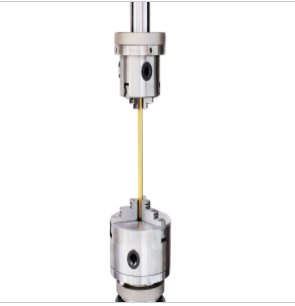
Main ApplicationsThe static torsion testing machine for intramedullary nails is mainly used to test
WhatsApp : +86 15601902607
Email : info@qinsun-lab.com

The Intramedullary Nails/Bone Screw Static Torque Testing Machine is a specialized mechanical testing device designed to measure the static torque and rotational resistance of intramedullary nails and bone screws. It evaluates the maximum torque they can withstand before failure, ensuring the mechanical reliability, safety, and compliance of orthopedic implants used in surgical applications. This tester is widely used in research, quality control, and regulatory testing for medical device manufacturers.
(1)YY/T 0591-2011: Chinese standard specifying torsion testing methods for intramedullary nails, including torque application, angular displacement measurement, and failure criteria.
(2)ASTM F1264: International standard covering mechanical testing of intramedullary fixation devices, with protocols for static and quasi-static torsion tests.
(1)Precision Torsional Control:
Electromagnetic servo-controlled torsion system ensures torque application with ±0.1% accuracy, adhering to ASTM F1264’s resolution requirements.
Adjustable torque range (0.1–500 Nm) and rotational speed (0.01°–360°/min) for versatile testing scenarios.
(2)Customized Fixturing:
Modular torsion clamps with interchangeable collets (6–16mm diameter) and anti-slip mechanisms to accommodate diverse nail diameters and lengths.
Specimen alignment guides ensure consistent angular displacement measurements.
(3)Advanced Data Acquisition:
Real-time monitoring of torque, angular displacement, and shear modulus with 5000Hz sampling rate.
Automatic calculation of key parameters: torsional rigidity (Nm/°), yield torque (Nm), and failure angle (°).
(4)User-Centric Design:
Intuitive software with preloaded SOPs for YY/T 0591 and ASTM F1264 compliance.
Multi-language interface (English/Chinese/Spanish) and exportable reports (PDF/Excel/CSV).
(5)Durability & Safety:
Corrosion-resistant steel frame and overload protection system for long-term reliability.
Low-noise operation (<65 dB) suitable for laboratory environments.
(1)Torque Capacity: 0.1–500 Nm (torsional).
(2)Torque Resolution: 0.001 Nm.
Angular Accuracy: ±0.01°.
(3)Testing Modes:
Torsional rigidity (ASTM F1264).
Yield torque and failure angle (YY/T 0591).
Load-deflection curve analysis.
(4)Software Suite:
Customizable test profiles with automated pass/fail criteria.
21 CFR Part 11 compliance for audit trails and electronic signatures.
Calibration: NIST-traceable certification included, with annual recalibration available.
| Parameter | Specification |
|---|---|
| Torque Range | 0.1–500 Nm (torsional) |
| Angular Resolution | 0.001° |
| Rotational Speed | 0.01°–360°/min |
| Power Supply | 220V/110V, 50/60Hz |
| Dimensions (W×D×H) | 600×500×1.600 mm |
| Weight | 250 kg |
| Compliance | CE, ISO 13485. YY/T 0591. ASTM F1264 |
(1)Standard Kit:
Torsion clamps (6mm, 10mm, 16mm collets).
Calibration weights and torque wrench.
Test control software with preloaded SOPs.
(2)Optional Upgrades:
Axial-torsional load frame (for combined loading tests).
Environmental chamber (for thermal cycling tests).
Custom fixturing for pediatric/specialized intramedullary nails.
Remote diagnostics and preventive maintenance package.
(1)Secure the intramedullary nail or bone screw in the fixture to ensure proper alignment.
(2)Set the desired torque range and testing speed on the control system.
(3)Apply rotational force gradually until the sample reaches its failure point or predefined torque limit.
(4)Record torque values, angular displacement, and failure mode for analysis.
(1)Regularly clean the fixtures, grips, and testing area to prevent debris accumulation.
(2)Lubricate moving parts and the torque sensor according to the manufacturer’s guidelines.
(3)Calibrate the torque sensor periodically to ensure accurate measurements.
(4)Inspect electrical connections and control software for updates or malfunctions.
1.What is the purpose of this machine?
It measures the static torque resistance of intramedullary nails and bone screws to assess their mechanical stability and safety.
2.What types of samples can be tested?
The machine can test metallic and bio-absorbable intramedullary nails, orthopedic bone screws, and similar internal fixation devices.
3.How is a test performed?
Samples are fixed in the testing fixture, torque is applied gradually, and maximum torque and failure points are recorded.
4.Why is torque testing important?
It ensures implants can withstand clinical rotational forces without loosening or failing, supporting implant design and quality control.
5.What safety precautions should be taken?
Ensure samples are securely clamped, avoid exceeding torque limits, and keep hands and tools clear of moving parts during testing.
Qinsun Instruments Co., LTD is a professional laboratory testing instrument manufacturer in China,Have been focusing on laboratory instrument R&D more than 30 years and have rich industry experience,Based on international testing standards,We are also the instrument supplier for BV SGS laboratory,We provide one-stop solutions for lab instruments,Free Training and Turn-Key Service,Products exported all over the world,Offer 36 month warranty and are a trustworthy partner.

Company Phone
+86-21-6420 0566
Working hours
Monday to Friday
Mobile phone:
13816217984
Email:
info@qinsun-lab.com