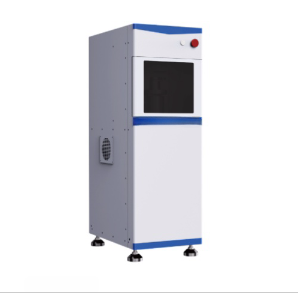
Definition and use:Solid electrolyte analysis system is a multifunctional test system integrating ta
WhatsApp : +86 15601902607
Email : info@qinsun-lab.com

The Solid Electrolyte Analysis System is a precision testing platform designed to evaluate the ionic conductivity, electrochemical impedance, and interface resistance of solid-state and liquid battery electrolytes. By providing high-accuracy, non-destructive measurements under controlled temperature and environmental conditions, the system supports advanced R&D, quality control, and material characterization for lithium-ion, sodium-ion, and solid-state batteries. It enables multi-sample testing, rapid analysis, and seamless integration with data processing software.
(1) Measurement of ionic conductivity and impedance of lithium-ion, sodium-ion, and solid-state battery electrolytes.
(2) Characterization of solid polymer electrolytes, ceramic electrolytes, and hybrid electrolytes for R&D and quality assurance.
(3) Interface resistance analysis between electrodes and solid electrolytes for battery performance optimization.
(4) Non-destructive testing of electrolyte materials to preserve sample integrity.
(5) High-throughput multi-sample testing (up to 16 samples simultaneously) for comparative studies and material screening.
(6) Temperature-dependent conductivity and impedance testing under controlled conditions (-20°C to 80°C).
(7) Integration into battery development workflows using LabVIEW, MATLAB, or Python for data analysis and visualization.
(8) 3D mapping of ionic diffusion pathways for advanced research and publication-quality analysis.
(1) ISO 9001:2015 – Quality management system for laboratory and R&D equipment.
(2) ASTM E1970-21 – Standard guide for electrochemical impedance spectroscopy.
(3) IEC 62660-2 – Secondary lithium-ion cells for propulsion of electric road vehicles.
(4) RoHS Compliance – Restriction of hazardous substances in electronic equipment.
(5) CE Certification – Conformité Européenne for safety and electromagnetic compliance.
(1) Sub-micron precision ionic conductivity measurement with ±0.01% error margin.
(2) Advanced electrochemical impedance spectroscopy (EIS) with frequency range up to 10 MHz.
(3) Rapid testing workflow with AI-driven automation, completing analyses up to 80% faster than traditional systems.
(4) Multi-sample parallel testing capability (up to 16 samples).
(5) Intuitive touchscreen interface with multi-language support (English, Chinese, German, Japanese, etc.).
(6) Modular architecture for easy upgrades and maintenance.
(7) Military-grade IP67 enclosure for dust, moisture, and vibration resistance.
(8) Overvoltage/overcurrent protection with real-time self-diagnostics.
(9) Cloud-based data synchronization with AES-256 encryption and software integration for LabVIEW, MATLAB, and Python.
(10) Non-destructive testing preserving sample integrity with contactless impedance measurement.
(11) Precision Peltier temperature control system (-20°C to 80°C ±0.1°C stability).
(12) 3D visualization software for mapping ionic diffusion pathways and interface resistance.
| Parameter | Specification |
|---|---|
| Ionic Conductivity Range | 10⁻⁸ S/cm to 10⁻² S/cm |
| Frequency Range | 10⁻³ Hz – 10 MHz |
| AC Amplitude | 1 mV – 1 V (adjustable) |
| Measurement Time | 0.5 – 600 s (user-definable) |
| Data Resolution | 24-bit ADC, 16 million data points per test |
| Temperature Control | -20°C to 80°C (±0.1°C stability) |
| Power Supply | 100–240V AC, 50/60 Hz (universal adapter) |
| Dimensions (W×D×H) | 420 × 350 × 180 mm |
| Weight | 12.5 kg (net) / 15 kg (gross) |
(1) High-Sensitivity Probe Kit: Platinum-iridium electrodes (2mm/5mm/10mm diameters) and non-conductive ceramic sample holder.
(2) Software Suite: SolidAnalyzer Pro license for Windows/macOS/Linux with 1-year cloud analytics access.
(3) Safety & Maintenance: Anti-static gloves (3 pairs), ISO 17025 certified calibration fluid (100 mL), cleaning kit (lint-free wipes, alcohol solution).
(4) Portability: Reinforced aluminum carrying case with custom foam inserts and universal detachable power cord.
(1) Install the electrolyte sample in the ceramic sample holder and connect electrodes.
(2) Select or create a testing protocol specifying frequency range, AC amplitude, temperature, and duration.
(3) Start the test; the system performs impedance spectroscopy and records ionic conductivity, resistance, and related parameters.
(4) Monitor real-time data on the touchscreen interface or cloud platform.
(5) Export test results for R&D, quality control, or publication purposes.
(1) Inspect electrodes, ceramic holders, and connectors regularly for wear or contamination.
(2) Calibrate the system periodically using certified calibration fluids to maintain measurement accuracy.
(3) Keep the touchscreen, control system, and data acquisition hardware clean and dry.
(4) Verify overvoltage and overcurrent protection systems before operation.
(5) Store the system in a clean, vibration-free environment when not in use.
Qinsun Instruments Co., LTD is a professional laboratory testing instrument manufacturer in China,Have been focusing on laboratory instrument R&D more than 30 years and have rich industry experience,Based on international testing standards,We are also the instrument supplier for BV SGS laboratory,We provide one-stop solutions for lab instruments,Free Training and Turn-Key Service,Products exported all over the world,Offer 36 month warranty and are a trustworthy partner.

Company Phone
+86-21-6420 0566
Working hours
Monday to Friday
Mobile phone:
13816217984
Email:
info@qinsun-lab.com