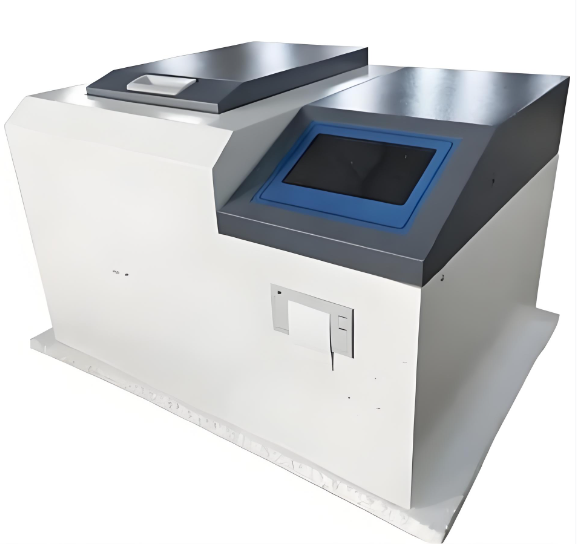
Scope of application:It is suitable for measuring the calorific value of solid and wavy combustible
WhatsApp : +86 15601902607
Email : info@qinsun-lab.com

The characterization of material combustion calorific value is an important parameter to assess the fire risk of building materials, which provides key data for calculating the heat release and fire load of materials. The test instrument is the necessary equipment for the classification of EN ISO 1716; the combustion calorific test device is developed according to the requirements of EN ISO 1716 standard. The combustion calorific value of building materials is measured in a bomb calorimeter with a constant heat capacity.
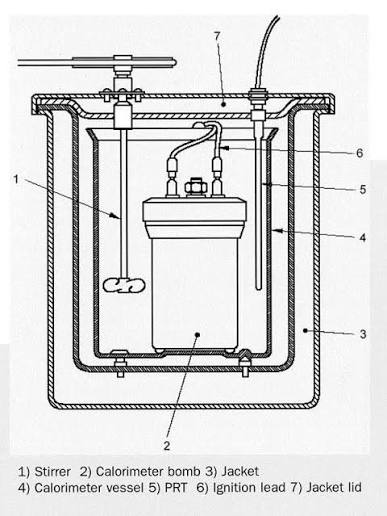
The bomb calorimeter is the most common device for measuring the heat of combustion or calorific value of a material. With this apparatus a test specimen of specified mass is burned under standardised conditions. The heat of combustion determined under these conditions is calculated on the basis of the observed temperature rise while taking account of heat loss. The combustion process is initiated inside an atmosphere of oxygen in a constant volume container, the bomb, which is a vessel built to withstand high pressures. It is immersed in a stirred water bath, and the whole device is the calorimeter vessel. The calorimeter vessel is also immersed in an outer water bath. The water temperature in the calorimeter vessel and that of the outer bath are both monitored.
The Oxygen Bomb Calorimeter can be used to measure the heat generated from several applications and has been designed to conform to current ASTM, ISO, EN, BS and DIN international standards. The calorific value of the following groups of materials can be measured:
Building materials (e.g. EN ISO 1716)
Coal, coke (e.g. ASTM D5865)
Fuel (gasoline, kerosene, fuel oil, Nos. 1-D and 2-D diesel fuel and Nos. 0-GT, 1-GT, and 2-GT gas turbines fuels), (e.g. ASTM D240-92)
Hydrocarbon fuels (e.g. ASTM D4809-90)
Food, supplements, crops
Waste and refuse
Combustible materials, etc.
GB/T213-2008 "Coal calorific value determination method"
ASTM D5865-13 - Determination of Calorific Value of Coal and Coke
GB/T384-1981 "Determination of calorific value of Petroleum products"
GB/T30727-2014 "Determination of calorific value of solid biomass fuel"
ISO 1928:2009 Determination of calorific value of solid fossil Fuels
ISO 1716-2002 ;
ASTM D240-92 ;
ASTM D4809-90 ;
Building materials (e.g. EN ISO 1716)
Coal, coke (e.g. ASTM D5865)
Fuel (gasoline, kerosene, fuel oil, Nos. 1-D and 2-D diesel fuel and Nos. 0-GT, 1-GT, and 2-GT gas turbines fuels), (e.g. ASTM D240-92)
Hydrocarbon fuels (e.g. ASTM D4809-90)
Food, supplements, crops
Waste and refuse
Combustible materials, etc.
1. The ISO 1716 Flammability Testing Equipment with Good Price including calorimeter apparatus, high-pressure oxygen bomb, cold water installations, computer, and control system (which can record and display the curve), LCD screen and software; Crucible made of stainless steel;
2. Box paint treatment; all internal parts are made of stainless steel, corrosion-resistant, easy to clean;
3. Ignition wire break is detection and automatic ignition.
4. The test procedure automatically turns off.
5. Test abnormalities has a sound alarm.
6. Computer control system:
7. Control box with USB / RS232 serial port with an external brand desktop or laptop operating control; High degree of automation, test procedure safe and reliable, easy to operate;
Power supply voltage | AC220V ± 10% 50Hz |
Bomb capacity | (300 ± 50) ml |
Oxygen bomb pressure range | 0.5 ~ 3.5MPa, no leakage. The bomb pressure 21Mpa |
Accuracy of Timer | 0.5s |
Maximum power | 0.5KW |
Ambient temperature | (10 ~ 35) ºC |
Ambient humidity | ≤80%RH |
Heat capacity of the instrument | about 10000 J/K |
Heat repeatability error | ≤0.2% |
Temperature range | (4.5-50) ºC |
Temperature detection | 0.0001 ºC resolution, using the PT100 sensor |
Inner cylinder volume | 2000ml |
Motor power | 3W |
stirring speed | the inner tube (375r/min) |
1. Preparation
Before using the building materials combustion value tester, some preparatory work must be done. Identify the building material samples to be tested, prepare the necessary testing tools and materials, and ensure the equipment is functioning properly.
2. Sample Preparation
Cut the building material samples to be tested into appropriate sizes and shapes, ensuring that the surface is flat and free from obvious damage or deformation. Clean the sample surface to remove dust and impurities to avoid affecting the test results.
3. Equipment Operation
a. Turn on the power switch of the building materials combustion value tester, ensuring that the equipment is properly powered. Select the appropriate test mode and parameter settings according to actual needs.
b. Place the sample on the test platform, ensuring a tight fit to prevent air circulation. Start the test program and begin the test. During the test, observe the changes in the instrument data and maintain stable operation of the equipment.
4. Recording and Analysis of Results
After the test is completed, record the relevant data and test results. Analyze and compare the data according to the actual situation. Scientifically interpret the results and draw conclusions. Based on the test results, evaluate the combustion performance of the building materials and determine whether they meet the relevant standard requirements.
Qinsun Instruments Co., LTD is a professional laboratory testing instrument manufacturer in China,Have been focusing on laboratory instrument R&D more than 30 years and have rich industry experience,Based on international testing standards,We are also the instrument supplier for BV SGS laboratory,We provide one-stop solutions for lab instruments,Free Training and Turn-Key Service,Products exported all over the world,Offer 36 month warranty and are a trustworthy partner.

Company Phone
+86-21-6420 0566
Working hours
Monday to Friday
Mobile phone:
13816217984
Email:
info@qinsun-lab.com