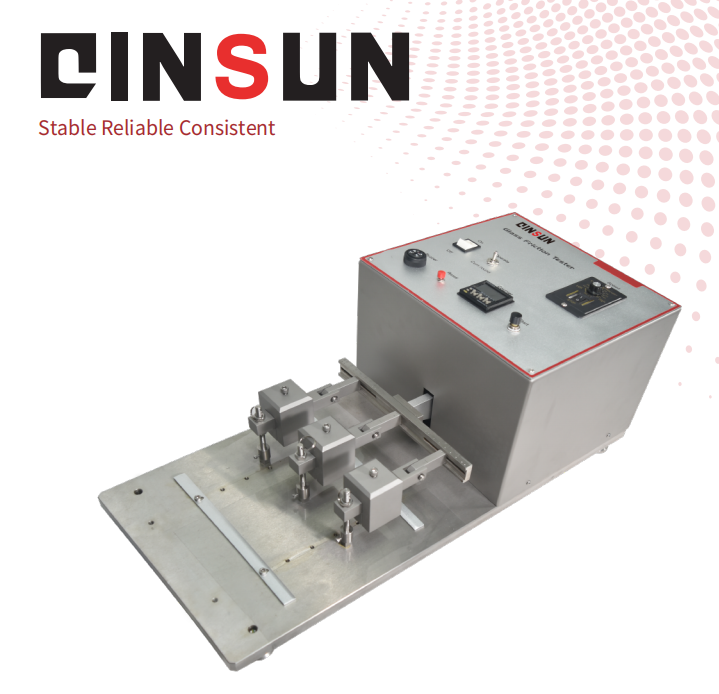
Tests the wear resistance of glass surfaces by applying controlled abrasive forces and motion.
WhatsApp : +86 15601902607
Email : info@qinsun-lab.com

The Glass Scratch/Abrasion Tester is used to test the scratch and abrasion resistance of glass. This instrument uses a counter to set the number of rubbing cycles and a speed controller to adjust the operating speed of the rubbing head to meet the customer's actual testing needs. During the test, a 10mm*10mm rubbing head equipped with steel wool is used. Adjustable weights adjust the pressure load of the rubbing head to rub the glass. After the test, the sample is removed and its scratch and abrasion resistance is evaluated.
Automotive Glass: Assesses windshield durability against environmental wear.
Consumer Electronics: Tests smartphone screens, tablet covers, and display panels.
Architectural Glass: Validates window and facade materials for long-term performance.
Medical Devices: Ensures compliance with biocompatibility standards (e.g., ISO 10993-7).
ISO 10993-7: Biological Evaluation of Medical Devices – Ethylene Oxide Sterilization Residuals
USP (United States Pharmacopeia): Container Performance Testing
Ph. Eur. (European Pharmacopoeia): Glass Containers for Pharmaceutical Use
JP (Japanese Pharmacopoeia): Glass Container Testing Standards
GB/T 16886.7: Biological Evaluation of Medical Devices – Ethylene Oxide Sterilization Validation
Three Independent Workstations: Enables parallel testing of diverse glass types.
Adjustable Friction Head: 10mm × 10mm steel wool attachment with load regulation (0–10N).
Speed Governor: Controls reciprocating motion (50 ±5 mm stroke) up to 120 RPM.
Safety Interlocks: Prevents accidental start-up and overload damage.
Easy Sample Handling: Quick-release clamps for rapid sample exchange.
Digital Display: Monitors test parameters (load, speed, cycles) in real time.
| Parameter | Specification |
|---|---|
| Control Mode | Automatic (PLC) |
| Maximum Load | 10 N (Adjustable) |
| Speed Range | 0–120 RPM (Reciprocating) |
| Stroke Length | 50 ±5 mm |
| Workstations | 3 (Independent) |
| Friction Head Size | 10 mm × 10 mm (Steel Wool Attachment) |
| Power Supply | AC 220V ±10%, 50Hz |
| Dimensions (L×W×H) | 800 mm × 400 mm × 500 mm |
| Net Weight | 85 kg |
| Display | LED Touchscreen (Load/Speed/Cycle Control) |
Place the cut sample on the sample clamping platform and clamp it securely.
Fix the weights, ensuring full contact between the friction head and the sample, and tighten the device.
Turn on the machine and select the desired test mode (specified number of times or continuous operation). Then set the desired number of friction cycles and the desired operating speed.
Turn on the speed controller switch and press the start button; the equipment will begin operation.
After the test, record the surface friction of the sample and assign a relevant rating.
1.What is a Glass Scratch/Abrasion Tester?
A Glass Scratch/Abrasion Tester is a device used to evaluate the scratch resistance or abrasion resistance of glass surfaces. It typically involves applying a controlled force using a stylus or abrasive materials to determine how easily the glass can be scratched or damaged. This testing is crucial for industries where glass durability is paramount, such as automotive, architecture, and consumer electronics.
2.How does a Glass Scratch/Abrasion Tester work?
The operation of a Glass Scratch/Abrasion Tester usually involves placing a glass sample in the testing apparatus. The device then applies a predetermined load via a stylus or abrasive material that moves across the surface. The resulting scratches or abrasions are measured, often through optical methods or visual inspection, to assess the glass's resistance to scratching or wear. This helps manufacturers understand the longevity and durability of their glass products.
3.Why is scratch resistance important for glass products?
Scratch resistance is vital for glass products as it directly affects their aesthetic appeal, functionality, and longevity. Scratched glass can lead to customer dissatisfaction, reduce visibility, and compromise structural integrity. In applications like smartphones, windows, and vehicle windshields, maintaining a clear and unblemished surface is essential for performance and safety. Therefore, testing for scratch resistance helps ensure high-quality standards in glass manufacturing.
4.What industries utilize Glass Scratch/Abrasion Testing?
Several industries depend on Glass Scratch/Abrasion Testing to ensure their products meet quality standards. These include the automotive industry, where windshield and window durability is critical; the electronics sector, particularly for smartphones and touchscreen devices; building and construction, where glass is used for facades and safety; and eyewear manufacturers, focusing on scratch-resistant coatings. Each of these industries relies on rigorous testing to verify that their glass can withstand everyday use.
5.What standards are used in Glass Scratch/Abrasion Testing?
Glass Scratch/Abrasion Testing often adheres to specific industry standards to ensure consistency and reliability in results. Common standards include ASTM C724 for scratch resistance and ANSI Z97.1 for safety glazing materials. These standards provide guidelines on test methods, equipment calibration, and performance criteria, helping manufacturers evaluate their products against established benchmarks. Compliance with such standards is crucial to gaining customer trust and meeting regulatory requirements.
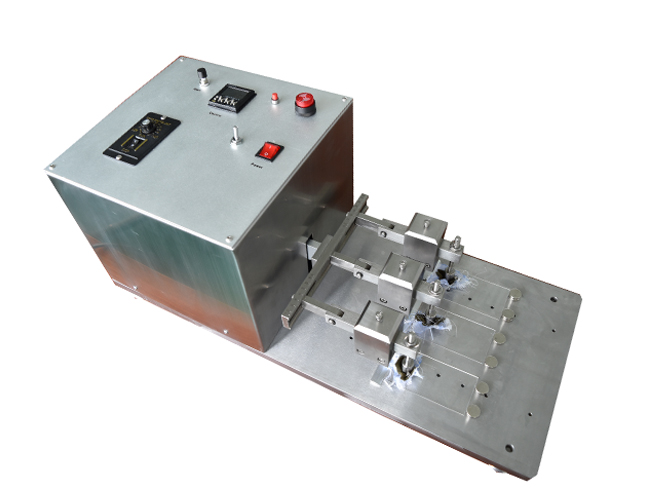
YouTube video introduction:https://www.youtube.com/watch?v=1efXDpuY9ZA
Qinsun Instruments Co., LTD is a professional laboratory testing instrument manufacturer in China,Have been focusing on laboratory instrument R&D more than 30 years and have rich industry experience,Based on international testing standards,We are also the instrument supplier for BV SGS laboratory,We provide one-stop solutions for lab instruments,Free Training and Turn-Key Service,Products exported all over the world,Offer 36 month warranty and are a trustworthy partner.

Company Phone
+86-21-6420 0566
Working hours
Monday to Friday
Mobile phone:
13816217984
Email:
info@qinsun-lab.com