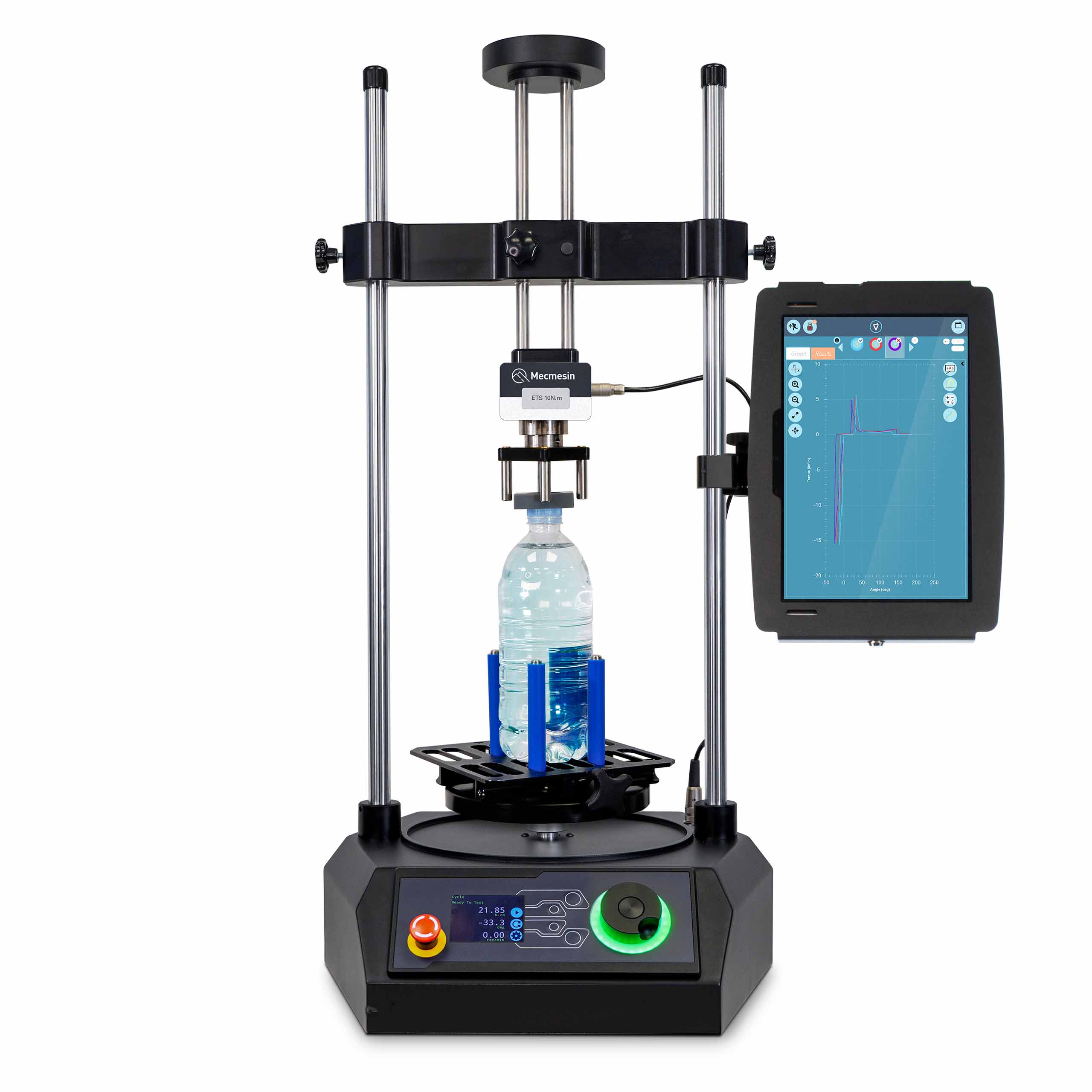
Measures material processing torque under controlled temperature and speed.
WhatsApp : +86 15601902607
Email : info@qinsun-lab.com

The Computer Controlled Torque Rheostat Tester simulates industrial mixing on a lab scale. A material sample in a heated chamber with rotating blades generates torque as it resists rotor motion. A transducer measures this torque in real-time. The computer controls chamber temperature and rotor speed per a test profile, presenting data as a torque-time curve for analyzing material behavior.
Materials Science: An ideal instrument for studying the flow, plasticity, thermal, and shear stability of materials.
Food Industry: Used to test the rheological properties of food materials, such as the mixing of multi-component materials, the cross-linking and curing of thermosetting resins, and the vulcanization of elastomers.
Chemical Industry: Used to study the rheological characteristics of chemical materials, such as the rheological properties of polymer melts, suspensions, coatings, inks, and food.
Geological Engineering: Used for rheological characterization of geological materials, such as the flow and deformation characteristics of rocks and soils.
(1)ASTM D2538: Standard Practice for Fusion of Poly(Vinyl Chloride) (PVC) Compounds Using a Torque Rheometer
(2)ISO 305: Plastics - Determination of thermal stability of poly(vinyl chloride), related chlorine-containing homopolymers and copolymers and their compounds - (3)Discoloration method
(1)Characterizes Material Processability: Provides direct measurement of how materials behave during mixing and processing under controlled conditions.
(2)Evaluates Thermal and Shear Stability: Helps determine a material's resistance to degradation under heat and mechanical stress.
(3)Simulates Industrial Processes: Replicates key aspects of industrial mixing, extrusion, and other processing operations on a laboratory scale.6
(4)Objective and Quantitative Data: Generates precise torque-time curves and other data for analysis and comparison.
(5)Computer Controlled Precision: Automated control of temperature, speed, and test duration ensures high repeatability and accuracy.
(6)Versatile for Various Materials: Applicable to a wide range of polymers, elastomers, ceramics, food products, and other materials that undergo viscous processing.
(7)Supports R&D and Quality Control: Essential tool for material development, formulation optimization, and ensuring consistent product quality.
(8)Identifies Material Behavior Stages: The torque curve clearly shows different phases of material transformation during processing (e.g., melting point, fusion time, degradation onset).
(1)High Precision: Utilizes a non-contact dynamic torque sensor, resulting in high data measurement accuracy and excellent repeatability.
(2)Modular Design: Features a modular design and plug-and-play functionality, allowing for the integration of various auxiliary equipment to perform different laboratory simulation experiments.
(3)Easy Operation: The entire process is controlled and monitored by a computer; data acquisition, control, and experimental data processing are all handled by dedicated software, ensuring convenient operation, precise control, and fast and efficient data processing and result output.
(4)Powerful Functionality: Supported by software, it performs functions that traditional torque rheometers cannot, such as linear speed increase measurement of material shear sensitivity characteristics, pressure inlet correction during viscosity spectrum measurement, and non-Newtonian fluid correction.
(5)Wide Application: Widely applicable in research and production, it can simulate mixing and extrusion processes in the laboratory, providing a series of data to guide research and production of formulations in real-world applications.
| Feature/Specification | Details |
|---|---|
| Peak Measurement Range | 50 Nm (100 Nm, 200 Nm, 300 Nm, 500 Nm available on request) |
| Test Modes | Track, Peak, Auto-Peak |
| Test Accuracy | ±0.5% |
(1)One instruction manual
(2)One certificate of conformity
(3)One calibration certificate
When using a computer-controlled torque rheometer tester, the first step is to ensure that the laboratory environment meets the requirements, such as temperature and humidity. Then, prepare the sample to be tested and ensure its condition is suitable for testing. Next, set the test parameters, such as temperature, rotation speed, and pressure application method. After loading the sample, start the testing process according to the predetermined procedure and closely monitor the data changes on the display screen. Finally, save the data and perform data analysis.
1. What is a Computer Controlled Torque Rheostat Tester used for?
It measures torque characteristics and resistance changes in rheostats and rotary devices, providing precise and automated test data.
2. How does the tester operate?
The machine uses computer control to apply torque to the device under test while recording resistance and torque values in real time.
3. What types of devices can be tested?
Commonly used for rotary rheostats, potentiometers, switches, and other devices that require torque-resistance profiling.
4. How is test data recorded and analyzed?
Test results are collected digitally and can be displayed, stored, and exported for analysis using the accompanying software.
5. What maintenance is required for this tester?
Routine checks include cleaning, lubrication of moving parts, calibration, software updates, and inspection of cables and connectors.
Qinsun Instruments Co., LTD is a professional laboratory testing instrument manufacturer in China,Have been focusing on laboratory instrument R&D more than 30 years and have rich industry experience,Based on international testing standards,We are also the instrument supplier for BV SGS laboratory,We provide one-stop solutions for lab instruments,Free Training and Turn-Key Service,Products exported all over the world,Offer 36 month warranty and are a trustworthy partner.

Company Phone
+86-21-6420 0566
Working hours
Monday to Friday
Mobile phone:
13816217984
Email:
info@qinsun-lab.com